

There are very distinct differences between occurrence form products and claims made products. The mechanics of the two policy forms are an obvious difference. But one aspect that isn’t noticed or discussed as much is standardization, or the lack thereof, in the claims made world. The casualty market for the most part has to adhere to nationally standardized terms and conditions as laid out in the ISO forms.
Does the claims made marketplace benefit from a lack of standardization? Should carriers push for the industry to adopt particular definitions, ones that have been court-tested and found to be clear and unambiguous? That’s certainly the draw as the ISO industry states in its own marketing(opens in new tab):
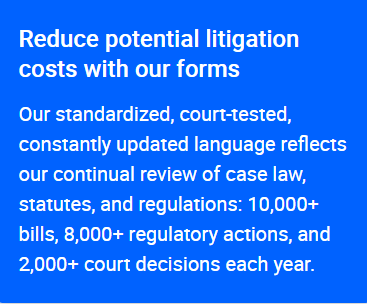
Using terms that have withstood judicial scrutiny regarding whether or not a term is ambiguous is of huge benefit to the carrier. It’s hard to provide actuarial certainty to your product team if you have no real way to project how courts will react to your policy language. But if you use ISO standardized forms that have a litany of legal precedence to back up an unambiguous definition, then you should be good to go!
Except unambiguous terms can all of a sudden become ambiguous, even terms that have been clearly defined for 50+ years.
Are We SURE That’s What That Means?
In West Virginia, Michael Jensen, the son of prominent Church of Jesus Christ of Latter-Day Saints members, was accused of sexual abuse from 2007 to 2011. But how did the church get named as a defendant? Jensen had been charged with 2 felonies related to alleged groping of classmates but pleaded guilty to 2 misdemeanors back in 2004. After the plea deal, his family moved to West Virginia. His mother promoted her son as a babysitter to other church families, which is where the abuse allegations from 2007 to 2011 stem from. Since the church should have known about his prior allegations, they should not have allowed him to come into contact with minors unattended, said the plaintiffs. The court agreed:
“It’s enough to say that the church was potentially liable for failing to take(opens in new tab) reasonable precautions between 2007 and 2011 that could have prevented Jensen’s sexual abuse of the settling victims.”
The church ended up settling with the victims, then turned to their excess carrier for indemnification. The excess carriers balked. Each abuse victim was a separate occurrence, and none of the occurrences breached the “retained limit” or the self insured retention. The number of victims and the settlement amounts are all under seal, but the court confirmed that taken separately, none of the settlements would be indemnified by the excess carrier.
But what if all of these abuse cases met the definition of a SINGLE occurrence, the church argued. If all of the allegations met the definition of a single occurrence, then the church would pay a single retention and leave the rest to the carriers. How did the church frame this argument?
“The church argues that it presented the district court with a reasonable interpretation of the policies that would have resulted in coverage: the church’s failure to prevent Jensen’s several instances of abuse counted as one occurrence.”
If each abuse case is a separate occurrence, multiple retentions. If each abuse case was part of the single occurrence of the church failing to prevent the abuse, one retention.
The district court ruled no. The church appealed. The appeal court took…an interesting turn.
Ambiguity’s Plausible? Then Policyholder Wins!
The definition of “occurrence” in the first excess policy was:
“[A]n accident, including continuous or repeated exposure to substantially the same general harmful conditions. All such exposure to substantially the same general harmful conditions will be deemed to arise out of one Occurrence.”
The court zeroed in on “general” harmful conditions and the “repeated” exposure of the abuse. It agreed with the church that it was plausible to “include “the dangerous environment allegedly created by” failing to take precautions against Jensen’s abuse.”
And just like that, a 50+ year old term designed to provide a clear and unambiguous interpretation became ambiguous. The court never said the church’s reading was the better one, only that it was plausible. Under Utah law, that’s enough: two reasonable readings means the term is ambiguous, and ambiguity resolves in the policyholder’s favor. Carriers have to go back to the drawing board.
Not an Indictment, But Not an Incentive Either
I’m not arguing that standardized policy definitions are pointless and useless. I still believe the claims made world can truly benefit from sharing more standardized definitions to make our management and professional lines into a more cogent and navigable market. With that being said, one of the benefits of a bespoke, non-ISO form, the kind of DIY drafting that thrives in the surplus lines market, is having the flexibility to adjust to adverse court rulings. Not to say that ISO forms lack nimbleness; they can and will adjust their definitions as they deem fit. But the process is a little more complicated, and the nimbleness that a surplus lines market can provide is very appealing to product leaders who don’t want to sign up for the next adverse windfall of a court decision. You can stress-test a definition forever to verify its ambiguity. But you can’t fully confirm that a particular definition will stand the test of time.
I don’t know if I’ll ever see ISO forms for management and professional lines within my lifetime. But with rulings like this, I don’t expect carriers to start petitioning for ISO standardization any time soon. You can have something court-tested with battle scars and legal precedence to affirm its resilience. But the truth is, every unambiguous term in existence is one court decision away from ambiguity. Should claims made carriers push for standardization, or should they leave their escape hatch a little more accessible when the next adverse ruling drops?
Meet the Author

Lucas Roberts
Management Liability Broker, Burns & Wilcox
Executive and professional lines specialist with experience in both underwriting and wholesale brokerage.
Publishes on claims-made coverage mechanics across three channels:
- LinkedIn(opens in new tab)— Regular commentary on coverage developments
- Claims Made Bites — This column on PLUS Blog
- 0omissions.com(opens in new tab) — Blog about coverage gaps in the claims made industry
News Type
PLUS Blog
Business Line
Directors and Officers (D&O), Errors and Omissions (E&O), Professional Liability, Risk Manager/Insurance Buyer
Contribute to
PLUS Blog
Contribute your thoughts to the PLUS Membership consisting of 45,000+ Professional Liability Practitioners.
Related Podcasts

Icons & Innovators Episode 4
In this episode, Michelle Klein of Berkley Professional Liability sits down with…
Related Articles

Protecting Your Purpose: Why Nonprofit Management Liability Matters More Than Ever
Passion and purpose motivate many individuals to serve on nonprofit boards. Whether…

From Foundations to Emerging Risks: Inside D&O University
The D&O liability landscape continues to evolve, making a strong understanding of…

AI Liability and Insurance: Emerging Coverage, Claims, and Silent Risk–Webinar Recap
Artificial intelligence has become embedded in everyday professional life and work. Businesses…