

In the most recent episode of The Employment Law Counselor podcast, hosts Victoria Fuller and Laura Corvo of White and Williams were joined by James Baffa, Assistant Vice President of Claims at Berkley Select, to discuss one of the most rapidly evolving issues in employment law: the rise of majority group discrimination claims. Long referred to as “reverse discrimination,” the term “majority group discrimination” reflects Title VII’s protections for all employees, regardless of group status. What was once a legal curiosity is now a mainstream concern for employers, insurers, and employment law practitioners. Here are some key takeaways from their discussion.
Landmark Case Law Has Leveled the Playing Field
Two recent Supreme Court decisions have reshaped the legal landscape. In Muldrow v. City of St. Louis, the Court broadened the definition of “adverse employment action,” making clear that employees no longer need to show significant financial harm. Smaller changes like transfers or schedule changes may be enough.
In Ames v. Ohio Department of Youth Services, the Court eliminated the “background circumstances” requirement that previously made it harder for majority group employees to prove discrimination. Under the prior standard, these employees had to show their employer was unusually prone to discriminating against the majority. That requirement is gone. Now, the McDonnell Douglas burden-shifting framework applies equally to all Title VII claims, and lower courts are already applying this change.
The EEOC Is Actively Targeting DEI-Related Majority Group Claims
The Equal Employment Opportunity Commission has made majority group discrimination a key enforcement priority. It has encouraged employees who believe they have been discriminated against to file claims, regardless of their background. The EEOC has also issued guidance warning that DEI-related decisions can violate Title VII if they are based on protected characteristics. The EEOC has already taken enforcement actions, including lawsuits and investigations involving major companies like Coca-Cola and Nike.
Employers Are Navigating Conflicting DEI Pressures
James Baffa noted that while some majority group discrimination claims have historically appeared in EPL claims, they appear to be increasing. Notably, third-party pro bono advocacy groups are now supporting majority group claimants, suggesting growing organization and attention in this space.
Employers face competing risks. Strong DEI programs may be used as evidence of discrimination, while the absence of these programs may be framed as neglecting discrimination concerns. Compounding the challenge is the lack of reliable, industry-wide data on these claims, which makes it difficult for employers to predict or manage this risk.
Documentation and Consistent Policy Enforcement Are Non-Negotiable
The key takeaway for employers is clear: document everything. Employers need clear, written reasons for any employment decision, supported by records made in real time.
This requires training managers to provide regular feedback, documenting performance issues before disciplinary actions, and ensuring consistent HR oversight. With workforce reductions on the rise due to AI-driven restructuring, employers should also carefully review layoff criteria to guard against both disparate treatment and disparate impact claims. The hosts also emphasized using legal counsel instead of relying on AI tools or templates for policies.
Importance to Professional Liability Practitioners
This episode is particularly relevant to professional liability practitioners, as it highlights the intersection of EPL underwriting, claims management, and emerging legal risk. The combination of the new standard under Ames and increased enforcement by the EEOC means that risk is growing in ways that may not yet be reflected in data.
For underwriters, this means rethinking how DEI-related risks are evaluated. For claims professionals, it highlights the need for early reporting and thorough review. For coverage counsel, it adds complexity when dealing with different state and federal laws.
Overall, majority group discrimination is no longer a niche issue. It is a growing risk that employers and insurers need to pay close attention to.
Interested in learning more about this topic? Listen to the full podcast episode.
The recording of our recent webinar, Navigating Reverse Discrimination Claims in the Post- Ames Era, is also available to view in the PLUS Learning Center
Meet the Speakers
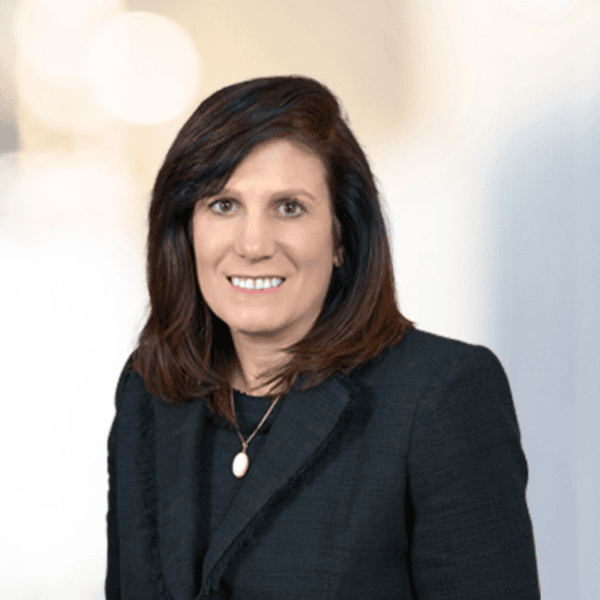
Laura Corvo serves as Counsel at White and Williams. She represents employers in employment litigation and counsels clients on a variety of employment-related issues. She has extensive knowledge of federal, state and local employment laws and regularly counsels employers on a host of personnel and human resource issues including, employee hiring, discipline and termination matters, reductions in force, wage and hour compliance, family and medical leave compliance, and managing accommodations for disabled employees. Laura frequently conducts harassment and discrimination investigations and provides training to executives, managers and employees on a range of topics including anti-harassment, anti-discrimination and diversity. She also drafts and reviews employment contracts, employee handbooks and other personnel policies. Laura represents employers in litigation involving claims of discrimination, harassment and retaliation in federal and state courts and before various administrative agencies. She is also experienced in the litigation of business tort matters involving non-compete and other restrictive covenant agreements.

Victoria Fuller is a Partner and Co-Chair of the Labor and Employment Practice Group. She practices out of White and Williams’ Boston office. Victoria has over 17 years of experience as a civil litigator, focusing on employment litigation and counseling, higher education litigation, insurance coverage and bad faith litigation. Victoria is well-known for her creativity, commitment, efficiency and strategic focus with clients. Victoria regularly represents businesses, educational institutions, and non-profits in employment litigation pending in the EEOC, MCAD, as well as in Massachusetts state and Federal Court. In addition, she counsels employers with respect to a variety of employment matters including hiring, termination (including RIFs), requests for accommodation, policies and procedures, and restrictive covenants. In addition to employment matters, Victoria also defends educational institutions in legal disputes with students. Victoria also represents insurers in complex coverage and bad faith disputes and handles first party property coverage matters.

James Baffa is the Assistant Vice President of Claims at Berkeley Select, where he manages a team of adjusters responsible for handling and resolving management and professional liability claims, including Employment Practices Liability (EPL), Lawyer’s Professional Liability (LPL), and Directors & Officers (D&O) claims for small to mid-sized insureds. In his role, James works closely with underwriting, operations, and compliance teams to address issues that may affect claims and the company’s legal obligations. He brings over 20 years of experience in the insurance industry, with approximately 10 years specializing in EPL claims, providing him with deep expertise in both claims management and risk mitigation.
News Type
PLUS Blog, Recap
Business Line
Employment Practices Liability (EPL)
Topic
Professional Liability (PL) Insurance
Contribute to
PLUS Blog
Contribute your thoughts to the PLUS Membership consisting of 45,000+ Professional Liability Practitioners.
Related Podcasts
The Employment Law Counselor Episode 23
Majority Group Discrimination and Essential Insights for Every Employer This episode of…
Related Articles

Majority Group Discrimination Claims Are on the Rise: Key Takeaways for Employers and Insurers
In the most recent episode of The Employment Law Counselor podcast, hosts…
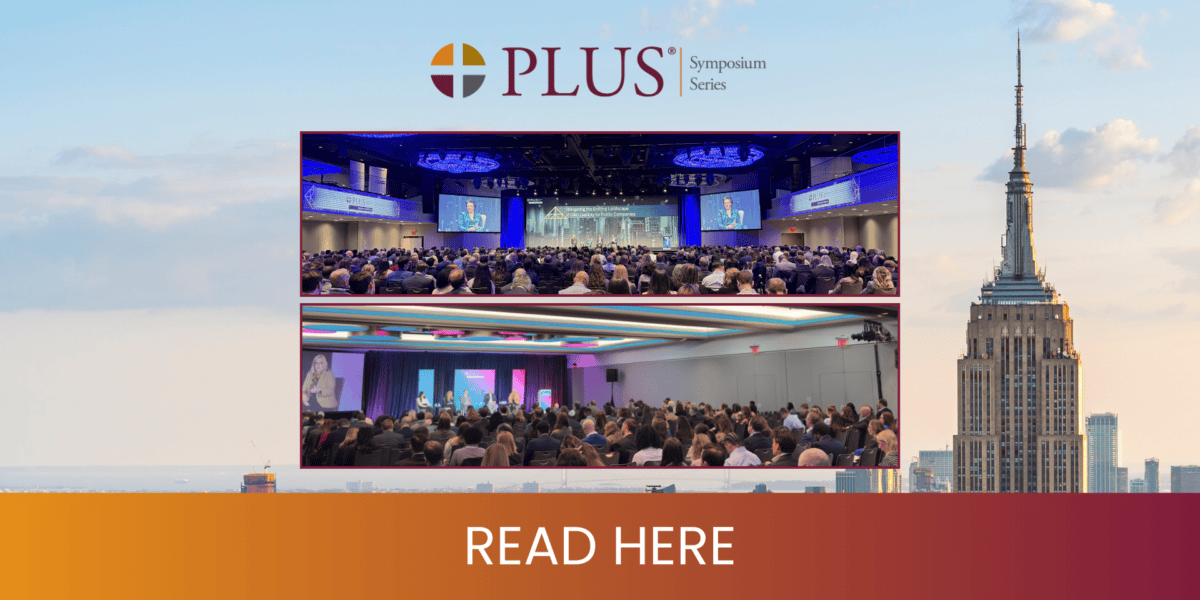
Connections, Community, and Momentum: The PLUS Symposia Series Keeps Building in NYC
If Day One set the tone, last night and this morning proved…
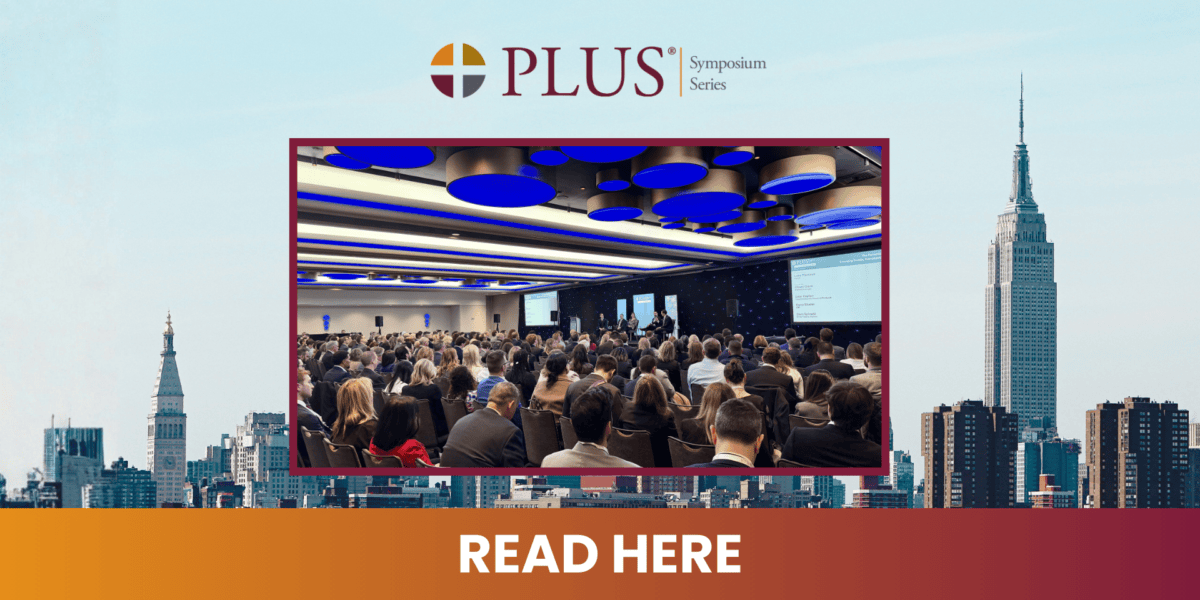
The PLUS Symposia Series Is Officially Underway in NYC
The energy is unmistakable—the PLUS Symposia Series has officially kicked off in…