
As fraud schemes evolve from basic phishing into sophisticated, AI deception, insurers and insureds face a rapidly changing risk environment. Our recent webinar examined how social engineering and banking fraud are blurring traditional lines between cyber, crime, and professional liability coverage. The discussion focused on the implications for underwriting, claims handling, and risk management. Below are some key highlights from the discussion.
Modern Fraud Risks Defy Traditional Coverage Buckets
Fraud losses rarely fall within a single policy today. Social engineering, business email compromise, and credential theft claims continue to increase in both frequency and severity. Panelists discussed claims where threat actors convince employees to share login credentials or initiate fraudulent wire transfers. These situations often raise difficult questions about liability and whether funds can be recovered after transfer. In some cases recovery is possible, especially when banks or law enforcement are contacted quickly, but results depend on timing and the sophistication of the fraud.
The Expanding Intersection of Cyber, Crime, D&O, and E&O
As fraud tactics grow more advanced, the coverage implications extend beyond traditional cyber policies. These losses almost always live at the intersection of Crime and Cyber and sometimes brush up against D&O when governance questions surface. The use of deepfakes, executive impersonation, and vendor spoofing, combined with allegations of negligence or failure to verify, can trigger professional liability exposure. This happens particularly when boards or professional service providers are alleged to have inadequately overseen financial controls. This overlap makes early coordination across potentially responsive policies more important than ever
Policy Definitions and Claims Experience Are Driving Market Change
Coverage outcomes often depend on how policies define terms such as Computer Fraud, Funds Transfer Fraud, and Social Engineering. Employee authorization, third-party deception, and vendor involvement can significantly affect results. Claims experience and litigation trends are reshaping underwriting practices, including applications, sublimits, and exclusions tied to social engineering risk. Underwriters are laser focus on an insured’s internal controls. Procedures like callback verification must be documented, trained, and tested, not just informally understood.
Where Organizations Fall Short: The Human Factor
Funds transfer fraud often succeeds because urgency overrides judgment. Fraudsters exploit the natural instinct to respond quickly when someone claims to be a bank, vendor, or executive demanding immediate action. Employees may hesitate to slow down or question requests. Panelists stressed the importance of encouraging employees to stop, think, and raise concerns. Creating a culture where suspicion is welcomed can prevent losses, even when concerns turn out to be unfounded.
Practical Risk Management Remains Essential
Insurance remains an important backstop, but preparation for wire fraud does not have to be expensive or complex. Effective programs start with written policies, training, and clear procedures. Panelists recommended clearly stating in insurance intake forms and internal policies that employees will never be asked to transfer funds by text or email. Other key steps include written callback protocols, dual authorization, vendor change verification, strong credential hygiene, and including wire fraud scenarios in incident response plans.
Looking Ahead: Thinking Like a Fraudster
Looking ahead, panelists highlighted increased risks from AI-enabled deepfakes, complex vendor relationships, and more convincing impersonation schemes. At the same time, proven controls continue to reduce losses. Key takeaways included stepping into the mindset of a fraudster to understand how pressure and trust are exploited, discussing policy language with insureds before a loss occurs, providing early notice across all potentially responsive policies. The session also emphasized the importance of implementing proper controls such as written and tested callback procedures, dual authorization with role separation, vendor change verification, and response plans for funds-movement incidents.
Importance to Professional Liability Practitioners
For professional liability practitioners, these trends highlight the growing overlap of exposures in fraud claims. Understanding policy definitions and anticipating how evolving fraud tactics affect coverage is critical. Equally important is ensuring strong controls, clear procedures, and coordinated incident response planning to help manage risk effectively.
If you haven’t done so yet, get exclusive access to PLUS webinars with a free membership now.
Interested in attending other PLUS webinars and virtual events? Please visit our virtual events page to register for upcoming live virtual programs.
Meet the Speakers
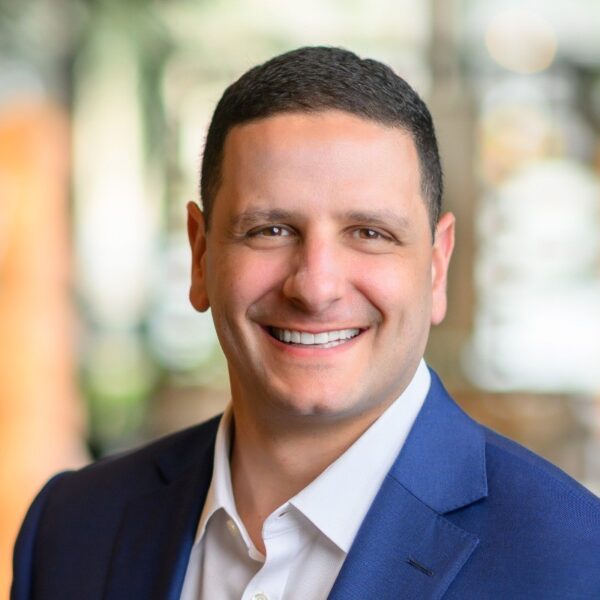
Stephen Ramey has spent the past two decades helping clients protect, investigate, and respond to events involving their digital interests. He has led hundreds of data breach investigations, assessed incident response and security programs, and successfully advised organizations through extortion negotiations.
Prior to co-founding IronGate, Steve previously held leadership roles within multiple international consulting companies, digital forensic and incident response (DFIR) firms, and a global insurance carrier where he honed his expertise in navigating data privacy laws, leading multi-jurisdictional engagements, and fostering teams with strong subject matter expertise.
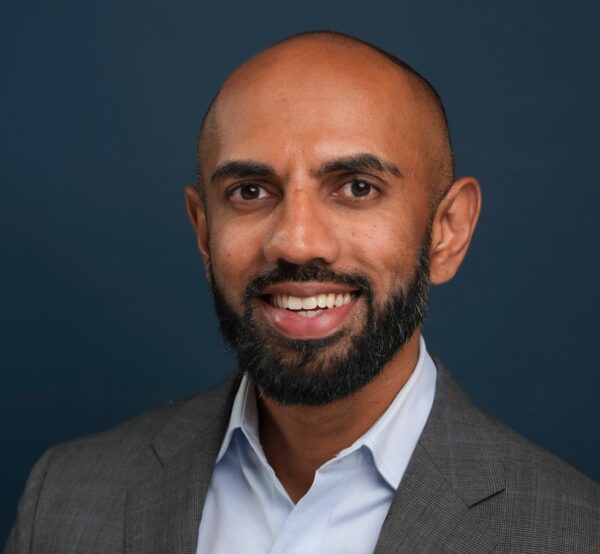
Charles Idiculla holds 20 years of leadership experience in the insurance industry. His expertise spans a wide array of Executive Risk, Professional, and CyberSecurity coverage lines, including D&O, EPLI, Fiduciary Liability, Crime, Kidnap & Ransom, E&O, Tech E&O, and Cyber Liability. As a Regional Director for USI Insurance Services, he leads the development and execution of insurance brokering and sales strategies, managing high-performing teams, complex client portfolios, and strategic partnerships. He collaborates closely with public, private, and nonprofit clients, guiding them through renewals through comprehensive coverage analysis, benchmarking, and claims reviews to achieve optimal outcomes. He has a proven track record of building and growing profitable books of business across diverse industries such as real estate, construction, technology, healthcare, higher education, financial institutions, and government-related sectors. A strong advocate for professional development, he fosters a culture of continuous learning through training programs, webinars, conference speaking engagements, and carrier-partner collaborations. He thrives in dynamic, growth-oriented environments and is focused on driving transformative, client-centric results by integrating insurance expertise with innovative, technology-driven risk management solutions.
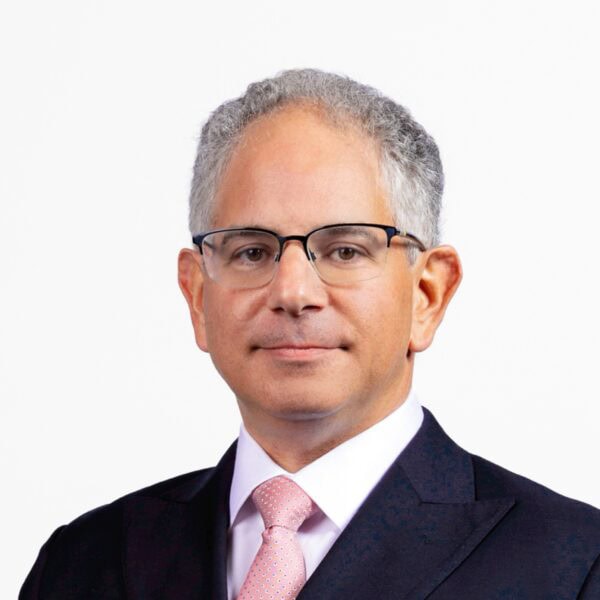
Stuart Panensky is a nationally recognized cyber and privacy attorney, commercial litigator, and Co-Chair of the Cyber, Privacy & Technology practice at Pierson Ferdinand. He serves as both a “wartime” and “peacetime” advisor to companies navigating the legal and operational fallout of cyberattacks, data breaches, and privacy incidents.
Stu represents clients in high-stakes regulatory investigations, litigation, and technology-related disputes. He is regularly trusted by general counsel, CISOs, insurers, and boards to manage fast-moving crises, regulatory inquiries, and complex compliance matters. His practice spans nearly every industry sector, with a particular focus on guiding insured and self-insured businesses through emerging cyber risks.
Beyond incident response, Stu advises clients on proactive risk management—helping businesses build defensible privacy and information security programs, meet evolving regulatory requirements, and reduce exposure in an increasingly hostile digital landscape.
Stu is one of Pierson Ferdinand’s founding partners and serves on the Firm’s Management Committee.
News Type
PLUS Blog, Recap
Business Line
Cyber Liability, Directors and Officers (D&O), Errors and Omissions (E&O), Professional Liability
Topic
Professional Liability (PL) Insurance
Contribute to
PLUS Blog
Contribute your thoughts to the PLUS Membership consisting of 45,000+ Professional Liability Practitioners.
Related Podcasts

The Employment Law Counselor Episode 23
Majority Group Discrimination and Essential Insights for Every Employer This episode of…
Related Articles

Quantum Risk Series | Quantum Risk: Cyber and D&O Exposure
The professional insurance community has always prided themselves on staying ahead of…

Claims Made Bites: No, the Renewal Application is NOT a Circumstance Reporting Mechanism
For this month’s Claims Made Bite, let’s talk about one sore spot…

What’s New and What’s Next: Future PLUS Highlights and Upcoming Programming
In 2025, PLUS launched the Future PLUS Advancement Initiative, a strategic, high-impact…