

The One Big Beautiful Bill Act, signed into law in July 2025, represents sweeping federal legislation with profound implications for the healthcare industry. Our latest webinar assembled a panel of experts to unpack how these legislative changes are reshaping professional liability exposure. Here are some key takeaways from the discussion including how healthcare organizations and industry professionals can navigate the evolving risk landscape.
Financial and Operational Pressures on Hospitals
Hospitals are expected to face roughly $69 billion in revenue losses over the next two years, driven primarily by Medicaid cuts and declining enrollment. Given the loss of ACA coverage as premium tax credits have expired, more uninsured patients will turn to emergency departments as a last resort, costing approximately 2.5 times more than insured care. Rural and safety net hospitals are most at risk, with around 300 rural hospitals at immediate risk of potential closure, many operating with negative margins. Hospital leaders face difficult decisions around cutting services, reducing staff, or pursuing consolidation and affiliations to remain financially viable. Underwriters are advised to scrutinize audited financials, debt service coverage ratios, payer mix, and whether institutions have credible contingency plans.
D&O, EPL, and Liability Exposures for Healthcare Entities
The financial strain created by the bill significantly elevates directors and officers (D&O) and employment practices liability (EPL) exposures. Leadership teams must make high-stakes decisions on hiring freezes, service terminations, and restructuring that carry fiduciary and reputational risk. On the EPL side, existing staffing shortages, burnout since COVID, higher nurse-to-patient ratios, and potential wrongful terminations tied to clinical errors create fertile ground for claims. Wage and hour violations, hostile work environment allegations, and leadership turnover are additional concerns underwriters should monitor closely, with frequency and severity of D&O claims expected to increase in the coming years.
Payer Dynamics: AI, Innovation, and Regulatory Oversight
For health insurance payers, the bill accelerates the need for innovation, value-based care models, and strategic partnerships to address rising rates of uninsured individuals. Artificial intelligence is emerging as both an opportunity and a liability as payers are investing heavily in AI-driven utilization review, telehealth, and workflow automation, but face litigation over AI-based benefit denials. Publicly traded health plans have already seen regulatory investigations into AI use for claim denials, making “human in the loop” governance essential. The bill also heightens scrutiny around gender-affirming care coverage as well as waste, fraud, and abuse enforcement by DOJ and HHS, and mergers and acquisitions activity, all of which carry managed care E&O and regulatory liability implications for payers.
Senior Care Facilities: Medicaid, Staffing, and Risk Mitigation Strategies
Skilled nursing facilities are uniquely vulnerable given that Medicaid funds approximately 70% of their costs. The bill’s reduction in retroactive Medicaid coverage from 90 to 60 days, more frequent eligibility redeterminations, and overall funding cuts will create significant cash flow volatility and administrative burdens. The delayed federal staffing mandate provides operational flexibility but shifts the responsibility to underwriters to evaluate whether staffing ratios are adequate, especially as facilities may rely on overtime to fill gaps. Facilities are encouraged to diversify payer mix, invest in revenue cycle management, strengthen family communication, and participate in value-based payment programs. Underwriters should probe Medicaid revenue dependency, application process efficiency, staffing models, and whether facilities have stress-tested their finances against these new realities.
Why This Webinar Matters to Professional Liability Professionals
To view this webinar recording, log in to the PLUS Learning Center and visit our content library.
If you haven’t done so yet, get exclusive access to PLUS webinars and on-demand recordings with a free membership now.
Meet the Speakers

Elizabeth Roberts
President, Pendulum Risk Management Services
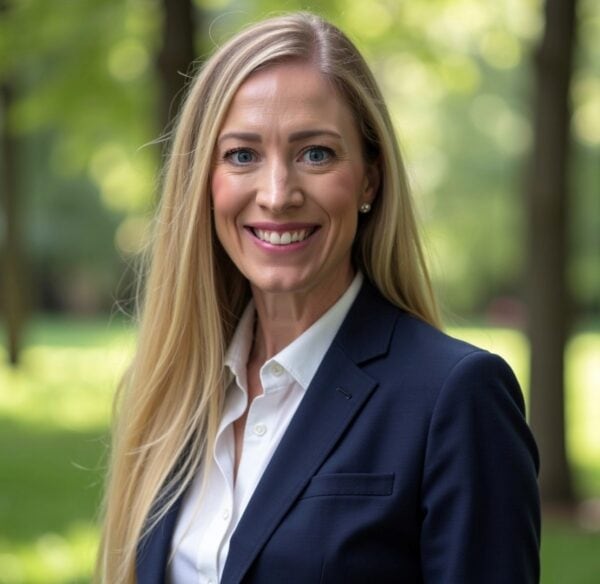 Nicole Francis
National Health Care FINPRO co-leader Managing Director, Marsh
 Matthew Wasta
Executive Vice President, Amwins Program Underwriters – Healthcare

Yajaira Villegas
Senior Vice President, Amwins Program Underwriters – Healthcare Management Liability
News Type
PLUS Blog
Business Line
Healthcare and Medical PL, Professional Liability
Topic
Professional Liability (PL) Insurance
Contribute to
PLUS Blog
Contribute your thoughts to the PLUS Membership consisting of 45,000+ Professional Liability Practitioners.
Related Podcasts

Icons & Innovators Episode 4
In this episode, Michelle Klein of Berkley Professional Liability sits down with…
Related Articles

From Foundations to Emerging Risks: Inside D&O University
The D&O liability landscape continues to evolve, making a strong understanding of…

Claims Made Bites: Claims Made vs. Claims Made and Reported
Two similar-sounding policy forms with an important difference. One leaves the door…

2026 Mid-Year Management Liability Claims Update – Emerging Risks and Lessons for Insureds
As we pass the midpoint of 2026, management liability risks continue to…