

In our most recent webinar, panelists discussed recent court decisions that are shaping how coverage is interpreted under Directors and Officers (D&O), Errors and Omissions (E&O), and Employment Practices Liability (EPL) policies. The session covered nine key topics, ranging from basic policy definitions to complex exclusions, and focused on how practitioners can handle increasingly complex coverage disputes. Here are some key takeaways from the discussion.
Courts Are Narrowing What Qualifies as a Covered “Loss”
Courts are making it clear that what matters is the real purpose of a payment, not what it is called. A New York court explained that deciding whether something is restitution depends on the facts, not on how the parties label the remedy. The Ninth Circuit likewise ruled that forcing someone to return money obtained through fraud counts as restitution and is not covered by insurance. This was true even though the person ordered to pay never actually received the money themselves. These cases show that courts will not allow restitution to be disguised as damages to trigger insurance coverage.
Bump-Up Exclusion Outcomes Depend Heavily on the Forum
The bump-up exclusion is still a common source of coverage disputes, and 2025 cases show that courts do not all treat it the same way. Delaware courts, including in Harmon International, take a detailed approach and look at the specific facts, such as the settlement language, defense costs, and who is included in the settlement, to decide whether a payment is really extra deal value or just the cost of settling a lawsuit. The Fourth Circuit took a simpler view in Towers Watson, ruling that the exclusion applies whenever shareholders get additional money through a settlement, no matter the legal arguments involved. Because courts handle this issue so differently, where a case is filed can have a major impact on the coverage result.
Delaware Continues to Apply the “Meaningful Linkage” Standard for Related Claims
Delaware courts have firmly established the “meaningful linkage” doctrine as the standard for determining whether claims are related. Decisions such as Alexion Pharmaceuticals and National Amusements show that courts focus on whether the claims come from the same underlying actions, rather than surface- level similarities. In Alexion, the Delaware Supreme Court said courts must also look at notices of circumstances and related investigations, not just filed lawsuits. Because the SEC investigation and the later class action were based on the same alleged misconduct, the court treated them as related even though they were described differently. This means courts will dig deeper into the facts, making early, carefully drafted notices especially important.
Policy Interpretation Is Becoming More Fact-Driven and Less Formulaic
Courts are moving away from rigid rules and focusing more on the actual facts of each case. When deciding issues like loss, exclusions, or whether claims are related, courts are focusing on what really happened, what the payments represent, and whether the claims raise public policy concerns. This means practitioners cannot rely only on the wording of the policy or past assumptions. Coverage decisions are now more likely to depend on the facts of the case and how those facts connect to the policy terms.
Why This Matters to Professional Liability Practitioners
These developments directly affect coverage availability, claims handling, and risk management. Courts are analyzing policy language more closely, which means practitioners cannot rely on surface-level readings or older case law. Differences between jurisdictions also make forum selection a critical factor in coverage disputes. For insurers, these cases provide guidance on how to support coverage positions and where courts may push back on traditional arguments. These 2025 decisions reflect broader patterns in how courts are interpreting professional liability policies in a more complex legal and regulatory environment. As enforcement actions and claims continue to evolve, these rulings will shape coverage disputes for years to come.
To view this webinar recording, log in to the PLUS Learning Center and visit our content library.
If you haven’t done so yet, get exclusive access to PLUS webinars and on-demand recordings with a free membership now.
Meet the Speakers
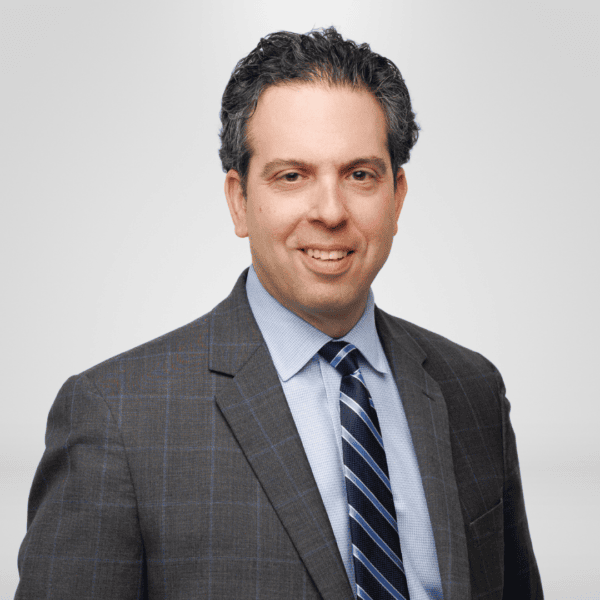
Elan Kandel represents insurance companies with respect to all aspects of claims involving directors and officers liability, employment practices liability, fiduciary liability, professional liability and commercial general liability policies. Before joining Bailey Cavalieri, Elan was a member in the insurance department of a large international law firm. Elan received his law degree from the Benjamin N. Cardozo School of Law. Elan graduated from Tufts University with a Bachelor of Arts degree in History.
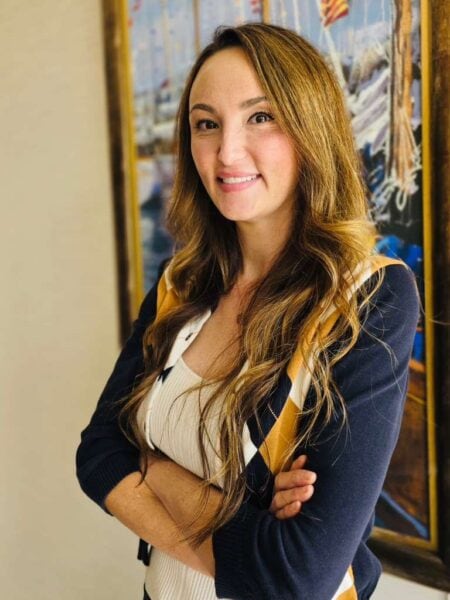
Susie Kirkeby handles a variety of professional liability claims for Allied World Bermuda, including directors and officers, errors and omissions, employment practices, wage and hour, cyber and fiduciary liability claims. Prior to joining Allied World in Bermuda in November 2019, Susie worked at Hartford Steam Boiler Inspection and Insurance Company in Hartford, Connecticut, which is a part of Munich Re, and with Allied World in Farmington, Connecticut in its North American Claims Group. Before joining the insurance industry, Susie was an attorney with Halloran & Sage in Hartford, Connecticut and served in the U.S. Army. Susie holds a B.S. in Political Science from Southern Connecticut State University and a J.D. from the University of Connecticut School of Law.
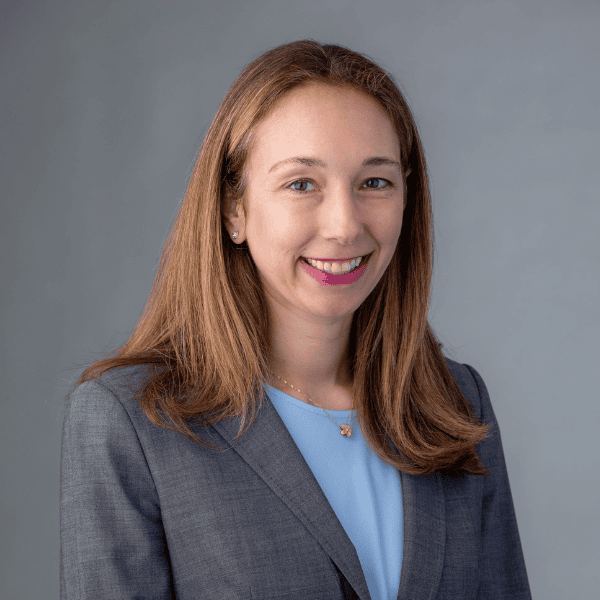
Marisa DeMartini manages a team of claims professionals handling Management Liability, Financial Institutions, and Representations and Warranties claims. She joined Ascot in 2021. She has spent more than a decade handling Financial Lines claims at both large and small insurance carriers. Before working in the insurance industry, Marisa was an associate at a law firm in NYC defending civil litigation and former prosecutor.
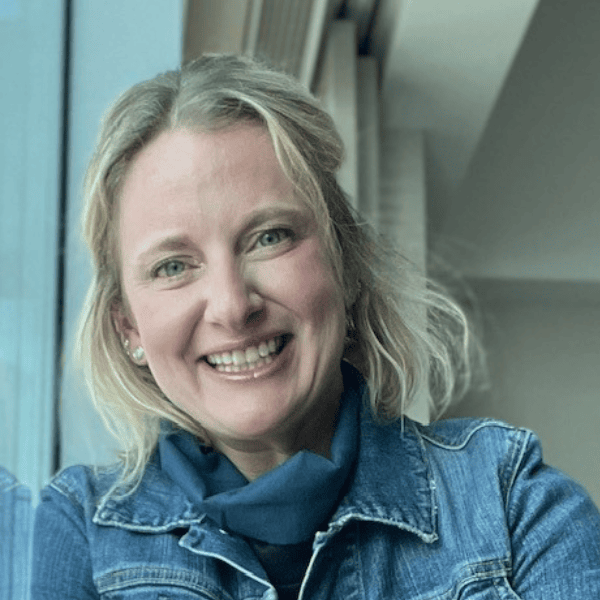
Anne Ray is Lead Counsel of D&O and EPL Claims at Bowhead Specialty Underwriters. Anne handles public company D&O matters, including high exposure securities and shareholder class actions, as well as private company management liability matters. Prior to joining Bowhead she was at Markel for several years handling professional liability claims. And prior to that, she was a partner at a large law firm in Chicago doing attorney malpractice defense work.
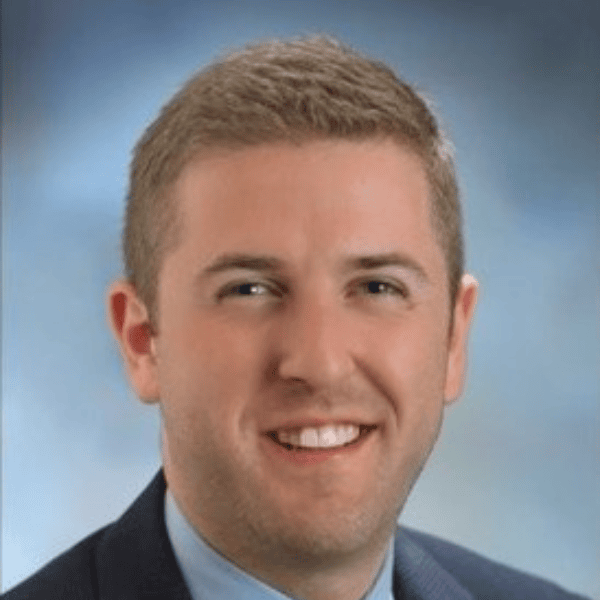
Peter Evans is the Financial Lines Executive Claims Specialist at HDI Global Insurance Company. He is based in Chicago, Illinois. Prior to joining HDI Global Insurance Company, Peter spent several years working on the carrier side managing Directors & Officers and Financial Institution claims. He began his career as an attorney in private practice in Chicago litigating a wide variety of matters, including those involving business and shareholder disputes, insurance coverage, professional liability, and general liability.
News Type
PLUS Blog, Recap
Business Line
Directors and Officers (D&O), Employment Practices Liability (EPL), Errors and Omissions (E&O), Professional Liability
Topic
Professional Liability (PL) Insurance
Contribute to
PLUS Blog
Contribute your thoughts to the PLUS Membership consisting of 45,000+ Professional Liability Practitioners.
Related Podcasts
The Employment Law Counselor Episode 23
Majority Group Discrimination and Essential Insights for Every Employer This episode of…
Related Articles

Majority Group Discrimination Claims Are on the Rise: Key Takeaways for Employers and Insurers
In the most recent episode of The Employment Law Counselor podcast, hosts…

What’s New and What’s Next: Future PLUS Highlights and Upcoming Programming
In 2025, PLUS launched the Future PLUS Advancement Initiative, a strategic, high-impact…
NIL-Driven Spending and the Debt Feedback Loop
NIL has reshaped college athletics almost overnight, and with it, the risk…