

I had an interesting conversation with a contractor for whom I helped place their E&O coverage. He had reached out after reading one of my articles about how environmental contractor E&O policies will often have an absolute pollution exclusion, with devastating results. After confirming that his E&O policy contained similar problems, we quickly found him an alternative solution without problematic exclusionary language.
We reconnected recently. He mentioned before how he was going to share his discovery of the absolute pollution exclusion with his peers. I asked him how those conversations had gone. Not good, was the feedback. He said his peers were more stunned by the fact that he would go through so much trouble to read and understand his policy. Besides, all the carrier is going to do is try to deny the claim anyway. So who cares about the quality of the policy in place? At the end of the day we get insurance policies because we’re contractually obligated to, not because we believe this insurance is actually going to help us.
Big Insurance Has a Marketing Problem
As an insurance broker I love to use my experience in the field to advise my clients about which insurance products are offering the superior coverage. Seldom are insurance products the same, apples to apples. Very often a D&O offering from Carrier A will differ significantly from a D&O offering from Carrier B. What may appear as an inconsequential phrase in the policy wording can have an incredible amount of difference between a paid claim versus a denied claim. We brokers try as best we can to highlight these differences to our agents. But all of these differences, all of these nuances between carriers and policies, all of it is essentially meaningless since the people we hope would care about quality coverage don’t. Many business owners who currently purchase coverage are buying this simply because they’re contractually obligated to. That $1M/$3M E&O limit wasn’t purchased because of a risk analysis conducted by the insured. It was purchased so they could qualify for a new contract that said they HAVE to have a $1M/$3M E&O policy.
And what about the more ancillary claims-made products such as D&O, EPLI – coverages that aren’t contractually obligated to the same degree as E&O? Potential first-time buyers end up never buying due to their cynicism about the product and the carriers who sell them.
This sentiment cuts against what we as insurance professionals are trying to accomplish: get people coverage. Insurance is the grease on the wheels of the American economy. Without insurance, more companies would go under every time an unforeseen catastrophe strikes. Our economy needs insurance. But more importantly, our economy needs to believe in insurance. The fact that most small businesses remain underinsured is a testament to the notion that business owners don’t know or understand their insurance. There are education gaps, but there’s also cynicism that keeps insurance customers who might otherwise consider purchasing coverage on the fence.
How do we change this sentiment? I believe the answer to this marketing issue lies in a department every carrier has, but may not be first of mind for marketing.
Claims Department to the Rescue!
If people believe that carriers don’t pay claims, then what better resource to utilize that shows carriers pay claims than the department that actually pays the claims? I highly recommend this article from Chantal Roberts and Frederick Fisher summarizing their white paper about the idea that the claims department is actually a carrier’s profit center, not cost center. If claims departments are well staffed and trained, then claims have a higher potential to be positive experiences both for the insured and the insurer. We don’t need more GEICO commercials, and we don’t need to find the next Jake from State Farm. We need good claims teams who provide good claims experiences, and a way to transmit this message to the wider public.
If someone has a good claims experience, then wouldn’t they recommend that carrier to others within their industry? Marketers have long known that testimonials are a great resource for marketing. And if we’re trying to combat the sentiment that carriers are actively looking to deny claims, then why wouldn’t we use the people who had the opposite experience to testify to such?
We Exist to Pay Claims
When I was a new underwriter, our D&O Product Lead asked our class a very thought provoking question. Let’s say you write a piece of new business. You did everything right, underwrote all of the exposures, rated the account in accordance with our underwriting guidelines, etc. Seven months later, you’re notified that the policy you issued has picked up a claim. Would you conclude that you must have done something wrong in the underwriting process?
As new underwriters, we weren’t sure what to answer. After all, we want to have an underwriting profit at the end of the year. If I write a new policy and it picks up a claim in the very first year, then yes, obviously I MUST have done something wrong. Right?
Wrong! Our product lead made sure to drill this point into us. Paying claims is what we’re SUPPOSED to do – that’s what insurance does! Now obviously, if we did not underwrite properly, if we issued a policy for an account that did not meet our underwriting guidelines, then that’s a different story. But the fact that a newly issued policy picks up a claim is not itself indicative of a poorly underwritten account. This is where claims can come in and really shine!
When our D&O Product Lead said, “We exist to pay claims,” it sounded unintuitive if not downright sacrilegious. Yes, carriers pay claims if they have to. But we’re not looking for claims to throw money at, right?
No, but the opposite is also not true. If we created an insurance product that never pays claims, then why would anyone buy it? Insurance products have to pay claims, otherwise they’re useless pieces of paper.
Insurance policies must pay claims while seeking an underwriting profit. And insurance carriers should be using this fact to convince potential customers that we’re not looking to leave them out in the cold should a claim arise. They don’t believe we’re going to pay? Well, THAT’s our area of opportunity then. Underwriters, brokers, all of us who are customer facing, should know and celebrate the claims that we pay and exist to pay. Maybe then we can turn the tide against the cynicism that would otherwise demotivate a first-time buyer from not transferring their very real risks.
Meet the Author
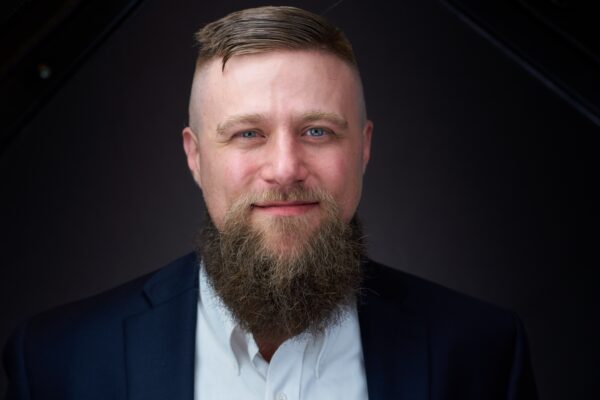
Lucas Roberts
Management Liability Broker, Burns & Wilcox
Executive and professional lines specialist with experience in both underwriting and wholesale brokerage.
Publishes on claims-made coverage mechanics across three channels:
- LinkedIn(opens in new tab)— Regular commentary on coverage developments
- Claims Made Bites — This column on PLUS Blog
- 0omissions.com(opens in new tab) — Blog about coverage gaps in the claims made industry
News Type
PLUS Blog
Business Line
Directors and Officers (D&O), Employment Practices Liability (EPL), Errors and Omissions (E&O), Professional Liability, Risk Manager/Insurance Buyer
Contribute to
PLUS Blog
Contribute your thoughts to the PLUS Membership consisting of 45,000+ Professional Liability Practitioners.
Related Podcasts

Icons & Innovators Episode 4
In this episode, Michelle Klein of Berkley Professional Liability sits down with…
Related Articles

Claims Made Bites: They Assume You’re Not Paying
I had an interesting conversation with a contractor for whom I helped…

Protecting Your Purpose: Why Nonprofit Management Liability Matters More Than Ever
Passion and purpose motivate many individuals to serve on nonprofit boards. Whether…

From Foundations to Emerging Risks: Inside D&O University
The D&O liability landscape continues to evolve, making a strong understanding of…