

Artificial intelligence has become embedded in everyday professional life and work. Businesses use it to make decisions, and some professionals rely on it to prepare advice. Increasingly, AI systems are even allowed to take action without human intervention. As AI grows, insurance and liability rules remain uncertain. Existing policies, coverage gaps, and emerging products all compete to determine who pays when AI goes wrong. This webinar brought together perspectives from underwriting, brokerage, claims, and technical AI risk professionals to examine how today’s insurance programs are responding to AI-driven exposures and what practitioners need to watch next.
AI Risks Arrive as Familiar Claims, Not a Separate Category
One of the clearest messages from the discussion was that AI-related losses rarely come labeled as “AI claims.” Instead, they may involve professional liability, management liability disputes, cyber incidents, or product liability suits, with AI introducing a new source, scale or cause of failure. For example, a lawyer submitting hallucinated case citations in court documents faces a professional negligence claim, not an “AI claim.” An AI-powered lending platform that produces discriminatory outcomes could face borrower lawsuits and securities class actions, raising potential coverage questions under D&O, tech E&O and possibly EPL policies . Practitioners should not wait for a dedicated AI insurance line to emerge before analyzing coverage. Existing policies, including professional liability, E&O, D&O, cyber, crime, general liability are already being tested. Understanding how each policy treats AI-related losses is essential today.
One AI System, Multiple Insurance Lines
The panel walked through a scenario involving an AI-enabled lending platform to show a single AI system can lead to claims across multiple insurance lines simultaneously. Investors may bring securities claims against management for overstating the system’s capabilities, potentially involving D&O coverage. Borrowers denied loans may allege bias, discrimination, or negligence, potentially engaging professional liability policies. The customer may pursue the vendor for breach of warranty or failure to meet performance guarantees, raising questions about whether tech E&O or new performance bond style products apply. Insurers, brokers, and insureds all need to understand that implementing one AI element into a business can affect its entire insurance program. Identifying a potentially relevant policy is only the first step. Coverage ultimately depends on the policy’s definitions, exclusions, and the specific circumstances of the loss.
Underwriting AI: From Use to Oversight
The discussion highlighted that the key underwriting question is no longer whether a professional or business uses AI, since nearly all do, but how and why it is used. Five key factors emerged: the tool being used, the task it performs, whether there is a human in the loop verifying outputs, whether the firm has adequate AI training and usage policies, and whether confidential information is being entered into unvetted models.
Another important consideration is how much authority an AI system has. A tool that recommends a decision is very different from one that can act on it. When systems can operate independently, underwriters need to understand what they can access, what they can do without approval, and how their limits are tested and enforced. These questions are now central to underwriting and risk management. Brokers need to understand how their clients use AI, going beyond a basic checklist of AI governance policies.
AI Coverage: New Endorsements, Rare Exclusions, and Uncertainty
On the coverage side, insurers are beginning to introduce AI-specific endorsements and new coverage options. These include reimbursement for unauthorized AI compute charges, AI model restoration costs, and expanded incident response for AI- related compromises. However, these products are still in the early stages and are offered by only a limited number of carriers.
On the exclusion side, broad AI exclusions remain rare in specialty lines. Because AI is now widely used, creating an exclusion that clearly defines what is not covered can be difficult. A broad exclusion could also unintentionally remove coverage for routine professional work.
A greater concern is policy silence, when AI is neither specifically included nor excluded, leaving coverage questions to be resolved when a claim arises. The panel compared this situation to the evolution of silent cyber when policy language left uncertainty about whether cyber-related losses were covered. Over time, individual policies began adding cyber exclusions, and standalone cyber insurance emerged. Whether AI coverage will follow a similar path remains an open question.
Why This Webinar Matters for Professional Liability Practitioners
For professional liability practitioners this webinar highlights an important reality: AI is no longer a future risk to watch. It is already part of the everyday work of nearly every professional client. Claims are emerging under existing policies and can affect multiple lines of coverage at once.
This webinar connects AI risk to the insurance frameworks practitioners rely on, showing how a single AI system can affect professional liability, D&O, tech E&O, cyber, crime, and even general liability coverage. The panel’s practical scenarios, underwriting framework, and analysis of emerging affirmative coverage and exclusions give practitioners the tools to ask better questions, identify coverage gaps before claims arise, and advise clients with confidence as AI technology continues to move faster than the policies that cover it.
To view this webinar recording, log in to the PLUS Learning Center and visit our content library.
If you haven’t done so yet, get exclusive access to PLUS webinars and on-demand recordings with a free membership now.
Become a Member(opens in new tab)
Meet the Speakers

Ayse Gauthier
Counsel, Quebec Cyber Practice Leader
DFW Group

Ian Fraser
President & Chief Agent, Canada
Mosaic Insurance
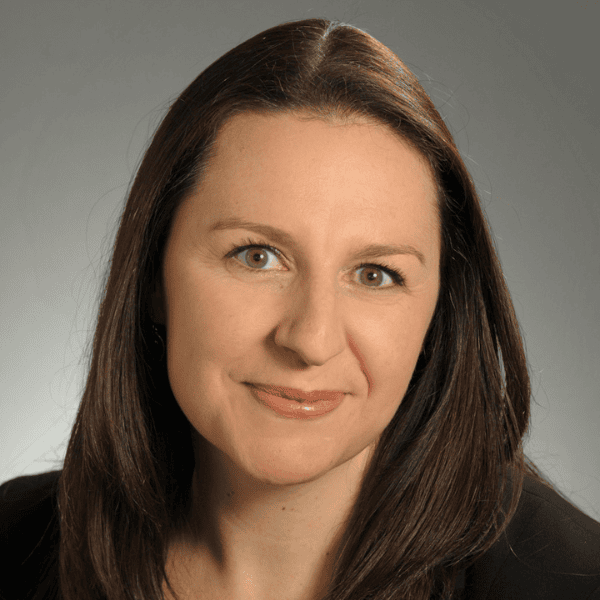
Michelle Lawson Hughes
Cyber Practice Leader, Canada
Willis

Karthik Ramakrishnan
CEO & Founder
Armilla AI
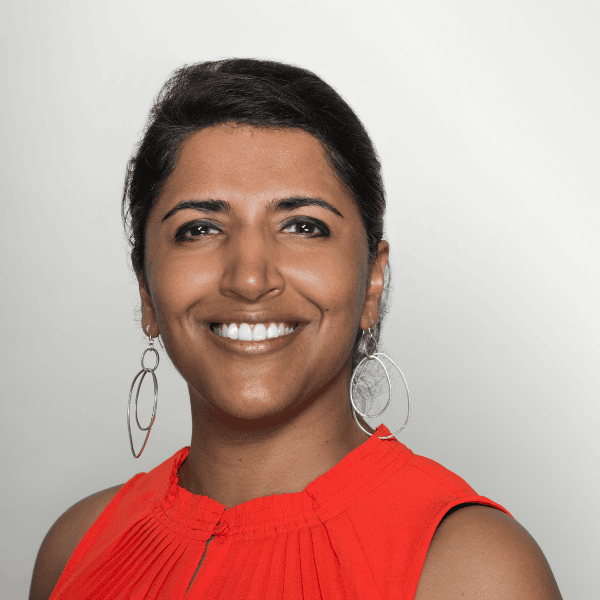
Prachi Shah
Canadian ProEx Claims Leader
HUB International Ltd
News Type
PLUS Blog, Recap
Business Line
Cyber Liability, Directors and Officers (D&O), Employment Practices Liability (EPL), Errors and Omissions (E&O), Other Business Lines
Topic
Professional Liability (PL) Insurance
Contribute to
PLUS Blog
Contribute your thoughts to the PLUS Membership consisting of 45,000+ Professional Liability Practitioners.
Related Podcasts

Icons & Innovators Episode 4
In this episode, Michelle Klein of Berkley Professional Liability sits down with…
Related Articles

AI Liability and Insurance: Emerging Coverage, Claims, and Silent Risk–Webinar Recap
Artificial intelligence has become embedded in everyday professional life and work. Businesses…

Claims Made Bites: Claims Made vs. Claims Made and Reported
Two similar-sounding policy forms with an important difference. One leaves the door…

2026 Mid-Year Management Liability Claims Update – Emerging Risks and Lessons for Insureds
As we pass the midpoint of 2026, management liability risks continue to…