

During our recent webinar, AI Risk & Liability: Expanding Statutes, panelists discussed the rapidly evolving legal and insurance challenges surrounding artificial intelligence. The session focused on the expansion of state AI liability laws, the emerging regulatory response, and the growing impact on traditional insurance coverage. The webinar also highlighted the importance of adapting underwriting, claims handling, and coverage analysis to this changing legal environment. Here are some key takeaways from the discussion.
A New Statutory Liability Landscape Is Already Here
Over the past two years, states have passed many new AI laws covering areas such as deepfakes, healthcare AI, political advertising, discrimination, protections for minors, and publicity rights. Many of these laws differ from traditional negligence standards because they allow statutory damages and private rights of action rather than relying on fault-based liability. This creates greater potential for large lawsuits and class actions, similar to those seen in data breach claims. While there have not been many lawsuits tied to these statutes yet, insurers and policyholders should be aware of the risks they create. Panelists also noted that new AI legislation continues to be introduced quickly in states across the country.
Definitions and Carve-Outs Will Shape Liability Exposure
A major theme of the webinar was the importance of statutory definitions and exemptions when evaluating liability. Terms such as “developer,” “operator,” and “deployer” can vary significantly from state to state, and those differences can determine whether a company is protected or exposed. Some laws include carve-outs for cloud providers or telecom companies, while others do not. As a result, a company may qualify for protection in one state but face liability in another. The panel explained that insurers and claims professionals must carefully analyze each state’s language instead of assuming the same rules apply everywhere.
Traditional Coverage Doctrines Were Not Built for AI
The webinar also explored how traditional insurance rules may not easily apply to AI related claims. Existing insurance policies were designed around human decision making, while AI systems can produce results that are difficult to predict or explain. Panelists discussed the “black box” issue, where even those who develop AI systems may not fully understand how an AI model reached a particular conclusion. This makes it more challenging when evaluating intent, causation, and responsibility in coverage disputes. The increasing use of third-party AI systems and customized models further complicates the handling of claims and determining liability.
The Market Is Evolving and New Coverage Opportunities Are Emerging
Speakers noted that the insurance market is beginning to respond in two ways. Some carriers are introducing AI exclusions in policies, while others are developing new products and policies that specifically cover AI risks. Emerging coverage options include protection for hallucinations, intellectual property claims, discriminatory AI decisions, and deepfake related harms. Panelists compared this shift to the early development of cyber insurance, which also began with uncertainty before becoming a major product line. They agreed that now is the opportunity for insurers to develop better underwriting practices, policy language, and claims protocols before the market changes even more.
Why This Matters for Professional Liability Practitioners
For professional liability practitioners, the stakes of this conversation are high. AI is now present across industries, from healthcare and finance to legal services. The combination of new statutes, unresolved coverage questions, and the accelerating legislative pace means that professionals who start engaging with these challenges now will be in the best position to advise clients and structure programs that work when claims arise. One thing is clear from this webinar: waiting to react later is not a good strategy. The time to develop expertise, ask the right underwriting questions, and build appropriate coverage solutions is now.
To view this webinar recording, log in to the PLUS Learning Center and visit our content library.
If you haven’t done so yet, get exclusive access to PLUS webinars and on-demand recordings with a free membership now.
Meet the Speakers

Thomas Boley
Associate, Wiley Rein

Dena Cusick
Senior Vice President- ProEx Practice Leader South Region, HUB International
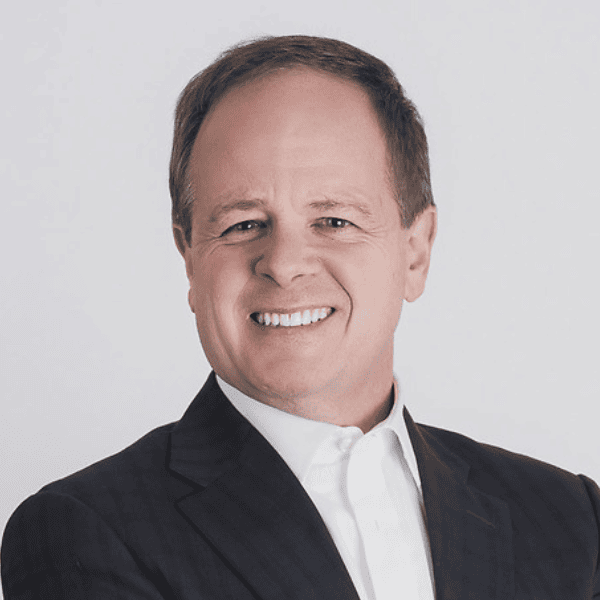
Kenneth Ryan
Partner, Wiley Rein
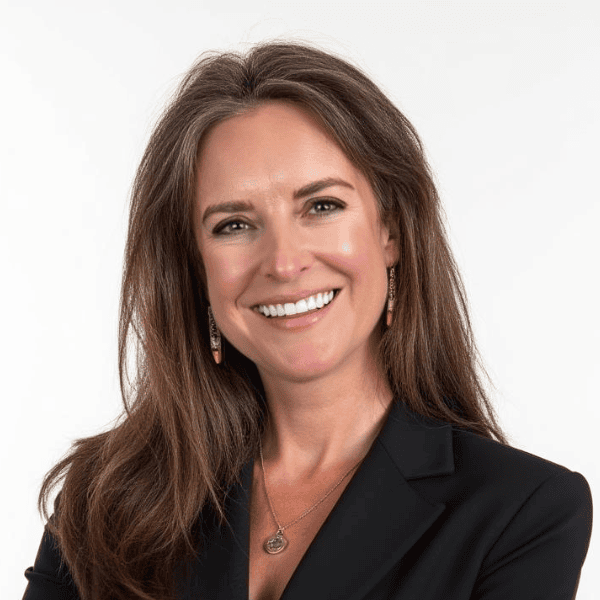
Amora Wood, RPLU, CPLP, ExecPLP
Vice President, RT Specialty
News Type
PLUS Blog
Business Line
Cyber Liability, Employment Practices Liability (EPL), Errors and Omissions (E&O), Healthcare and Medical PL, Professional Liability
Topic
Professional Liability (PL) Insurance
Contribute to
PLUS Blog
Contribute your thoughts to the PLUS Membership consisting of 45,000+ Professional Liability Practitioners.
Related Podcasts

Icons & Innovators Episode 4
In this episode, Michelle Klein of Berkley Professional Liability sits down with…
Related Articles

Protecting Your Purpose: Why Nonprofit Management Liability Matters More Than Ever
Passion and purpose motivate many individuals to serve on nonprofit boards. Whether…

From Foundations to Emerging Risks: Inside D&O University
The D&O liability landscape continues to evolve, making a strong understanding of…

AI Liability and Insurance: Emerging Coverage, Claims, and Silent Risk–Webinar Recap
Artificial intelligence has become embedded in everyday professional life and work. Businesses…