

Passion and purpose motivate many individuals to serve on nonprofit boards. Whether supporting social services, education, healthcare, religious organizations, foundations, or community programs, board members are often driven by a commitment to advancing a mission they believe in.
What many nonprofit leaders don’t realize, however, is that their responsibilities as Directors and Officers can create significant personal and organizational liability exposures.
While nonprofit organizations exist to serve their communities, they face many of the same governance, employment, and regulatory risks as any other organization. Even an unfounded allegation can result in substantial defense costs, operational disruption, and reputational damage.
In this article, we explore the evolving management liability risks facing nonprofit organizations, the factors contributing to increased claim costs, and what nonprofit leaders should know about protecting both their organizations and their missions.
Understanding the Foundation: D&O and EPL Coverage
Before discussing today’s risk environment, it is important to understand the two core components of nonprofit management liability protection. Directors & Officers (D&O) Liability insurance helps protect nonprofit organizations and their leaders from allegations involving decisions made in the management and governance of the organization. Employment Practices Liability (EPL) insurance, which is often packaged with D&O coverage, helps protect organizations against claims involving wrongful termination, discrimination, harassment, retaliation, and other employment-related matters.
As the cost of litigation continues to rise, both D&O and EPL coverage play a critical role in helping organizations protect their leadership, financial resources, and mission.
Governance Responsibilities Create Real D&O Exposure
Many nonprofit leaders assume D&O claims arise only from intentional misconduct or financial fraud. In practice, however, claims often stem from routine governance issues and unintentional oversights.
Every nonprofit board has fiduciary responsibilities to the organization it serves. Board members can be held accountable for decisions involving financial oversight, conflicts of interest, compliance with bylaws, strategic leadership decisions, and stewardship of donor funds.
For smaller organizations, many board members serve on a volunteer basis while balancing other professional and personal responsibilities. As a result, exposures often arise not from malicious conduct, but from insufficient oversight or inadequate documentation.
Common sources of D&O exposure include:
- Mismanagement of restricted donations
- Failure to adhere to organizational bylaws
- Conflicts of interest
- Financial oversight failures
- Regulatory investigations and leadership disputes
Nonprofit leaders are often surprised by how quickly governance disagreements can evolve into costly claims.
Why Employment Practices Liability Remains a Leading Concern
While nonprofit boards face a variety of risks, employment-related claims remain one of the most significant management liability concerns for many organizations.
A common misconception is that nonprofits with only a few employees have limited exposure to employment claims. In reality, even organizations with modest staffing levels can face allegations involving wrongful termination, discrimination, harassment, retaliation, or failure to accommodate employees.
Consider a nonprofit that terminates an employee after a medical leave dispute. Even when leadership believes it acted appropriately, allegations of disability discrimination or wrongful termination can trigger investigations, defense costs, and settlement discussions long before a court reaches a decision.
Employment disputes often involve complicated factual circumstances and emotionally charged situations. Even when an organization believes it acted appropriately, defending those decisions can be expensive and time-consuming.
Many nonprofits also operate with lean administrative teams and limited HR infrastructure. Inconsistent documentation, insufficient supervisor training, or outdated employee policies can create additional vulnerabilities when disputes arise.
Strong employment practices remain one of the most effective risk-management tools available to nonprofit organizations. Clear policies, consistent procedures, appropriate training, and thorough documentation can significantly strengthen an organization’s ability to defend itself should a claim occur.
As claim severity continues to rise, nonprofit leaders should view EPL coverage not as an optional enhancement, but as a critical component of a comprehensive management liability program.
Why Nonprofit Claims Are Becoming More Expensive
One of the most significant trends affecting nonprofit organizations today is the rising cost of management liability claims.
Employment Practices Liability claims have long been among the most common nonprofit management liability exposures. While historically higher in frequency than severity, recent years have brought rising settlements and significantly higher defense costs.
A shortage of experienced defense counsel and elevated litigation activity have increased legal fees across many jurisdictions, making even meritless claims expensive to defend.
At the same time, social inflation continues to influence litigation outcomes. Jury verdicts and settlement values have increased in many areas of liability, driven by a variety of economic and societal factors. While nonprofits have historically been viewed favorably by juries and the public, they are not immune to broader litigation trends. Claims involving employment practices, governance disputes, and regulatory issues can all result in significant financial consequences.
For organizations operating under tight budgets and limited resources, these costs can quickly become disruptive.
What Underwriters Look for When Evaluating Nonprofit Risk
A question brokers frequently ask is what management liability underwriters evaluate when reviewing nonprofit organizations.
Underwriters seek to understand the organization’s mission, tax-exempt status, geographic footprint, and overall complexity. Planned growth initiatives, mergers, acquisitions, and operational scope can all influence the risk profile.
Governance is another critical area of focus. Underwriters evaluate board composition, leadership stability, and the experience of individuals serving in governance roles. A well-structured and engaged board can be an important indicator of strong organizational oversight.
Financial health also plays a significant role. Positive working capital, manageable debt levels, adequate liquidity, and stable funding sources contribute to a more favorable underwriting profile. Conversely, financial distress can create additional exposures and scrutiny.
From an employment practices perspective, underwriters look closely at employee count, turnover patterns, HR policies, training procedures, and prior employment-related issues. Organizations that maintain strong hiring, onboarding, documentation, and complaint-handling processes generally present a more favorable risk profile.
Claims history is equally important. While prior claims do not automatically make an organization undesirable from an underwriting standpoint, context matters. Understanding what occurred, how the issue was addressed, and what corrective actions were implemented often provides a more complete picture than the loss history alone.
Ultimately, underwriters are looking for organizations that understand their risks and take proactive steps to manage them.
A Competitive Market Creates Opportunities
Despite increasing claim severity and rising defense costs, the nonprofit management liability market remains highly competitive.
The nonprofit D&O market remains undeniably soft and intensely competitive, supported by abundant carrier capacity and continued new entrants. Even as carriers observe rising severity in employment-related claims, pricing pressure persists, making meaningful decreases in premium still common across the nonprofit sector, even in historically challenging classes.
Organizations may find opportunities to explore broader coverage options, expanded endorsements, and other enhancements that may not have been available during more restrictive market conditions.
However, nonprofit leaders should resist the temptation to focus solely on premium reductions. The value of management liability coverage extends beyond price. Carrier expertise, financial strength, underwriting stability, and claims-handling capabilities can all play a critical role when a difficult claim emerges.
Selecting the right insurance provider remains an important part of an organization’s overall risk-management strategy.
Protecting the Mission Starts with Protecting Leadership
Nonprofit leaders devote significant time and energy to advancing missions that strengthen their communities.
Strong governance practices, sound employment policies, and comprehensive management liability protection help prevent a single claim from derailing those efforts.
While no organization can eliminate risk entirely, nonprofit leaders who understand today’s evolving liability landscape and proactively address potential exposures will be better positioned to protect both their organizations and the missions they serve.
Meet the Author
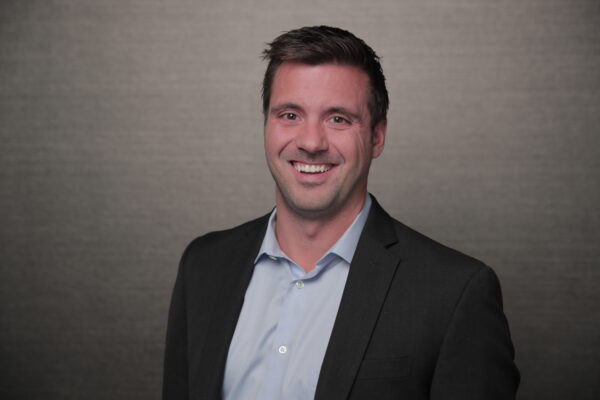
Nick Matsie
Assistant Vice President, Underwriting, Berkley Select
Nick Matsie is an Assistant Vice President of Nonprofit Liability at Berkley Select, where he has led the nonprofit liability practice since 2021. Since joining Berkley Select in 2013, he has held a variety of underwriting leadership roles focused on management liability risks. Nick specializes in private and non-profit risks as well as leading all of the company’s cannabis risks. He earned a Bachelor of Arts in Economics from Pepperdine University.
News Type
PLUS Blog
Business Line
Directors and Officers (D&O), Employment Practices Liability (EPL), Risk Manager/Insurance Buyer
Contribute to
PLUS Blog
Contribute your thoughts to the PLUS Membership consisting of 45,000+ Professional Liability Practitioners.
Related Podcasts

Icons & Innovators Episode 4
In this episode, Michelle Klein of Berkley Professional Liability sits down with…
Related Articles

Protecting Your Purpose: Why Nonprofit Management Liability Matters More Than Ever
Passion and purpose motivate many individuals to serve on nonprofit boards. Whether…

From Foundations to Emerging Risks: Inside D&O University
The D&O liability landscape continues to evolve, making a strong understanding of…

AI Liability and Insurance: Emerging Coverage, Claims, and Silent Risk–Webinar Recap
Artificial intelligence has become embedded in everyday professional life and work. Businesses…